Citizens report. Our AI sees. Government acts. Basis transforms everyday frustrations — potholes, broken pipes, illegal dumping — into structured, anonymous intelligence that compels institutional change.
We are not government. But we're building the tools for a more responsive one.
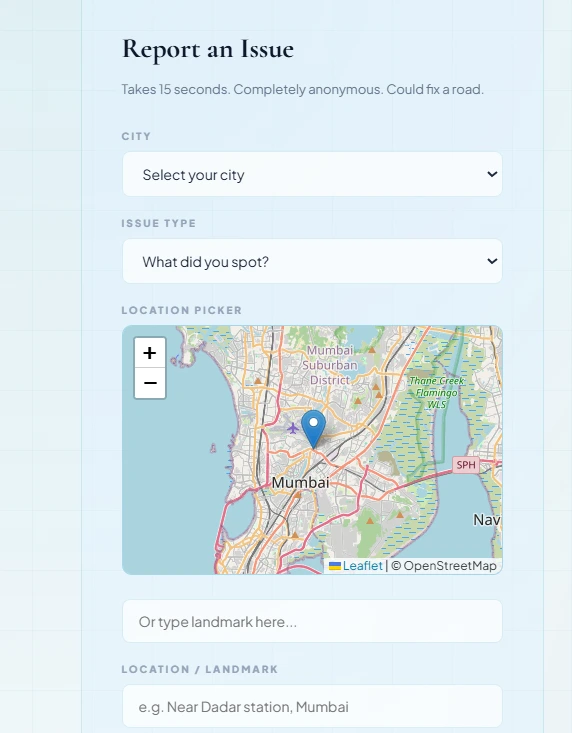
You spot a pothole, a broken streetlight, a clogged drain. Tap the app, snap a photo, tag the location. It takes 15 seconds. Your identity stays hidden — always.
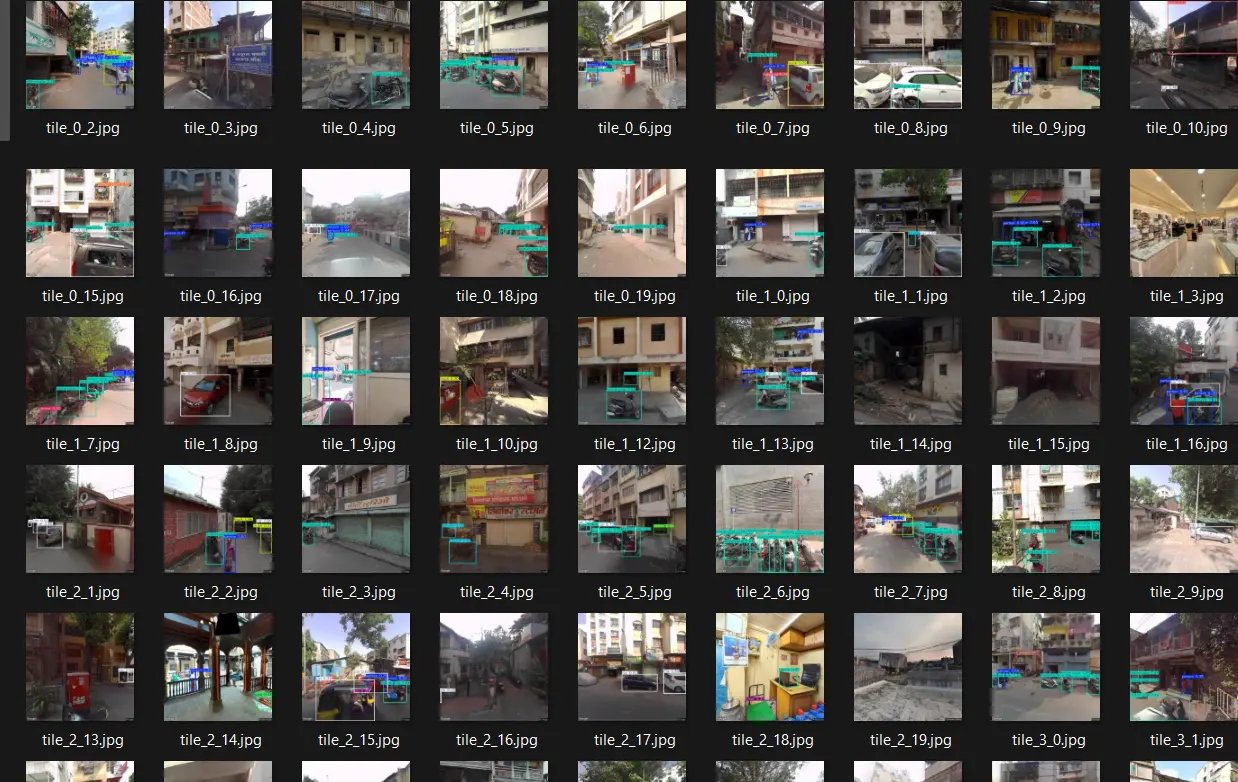
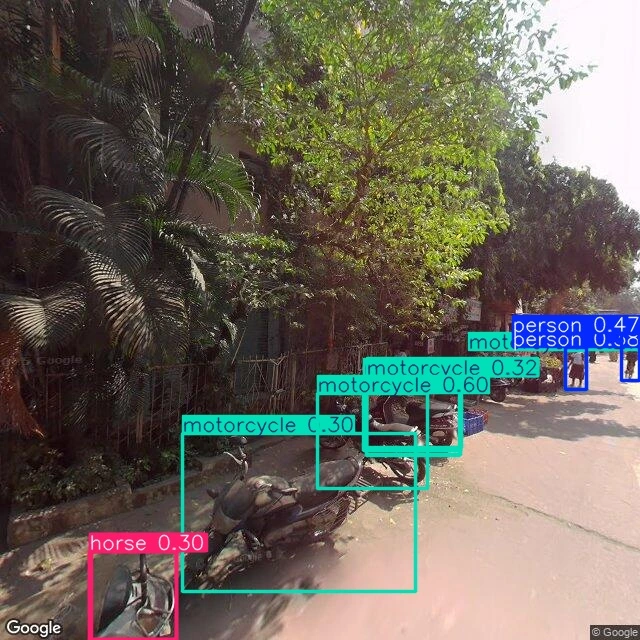
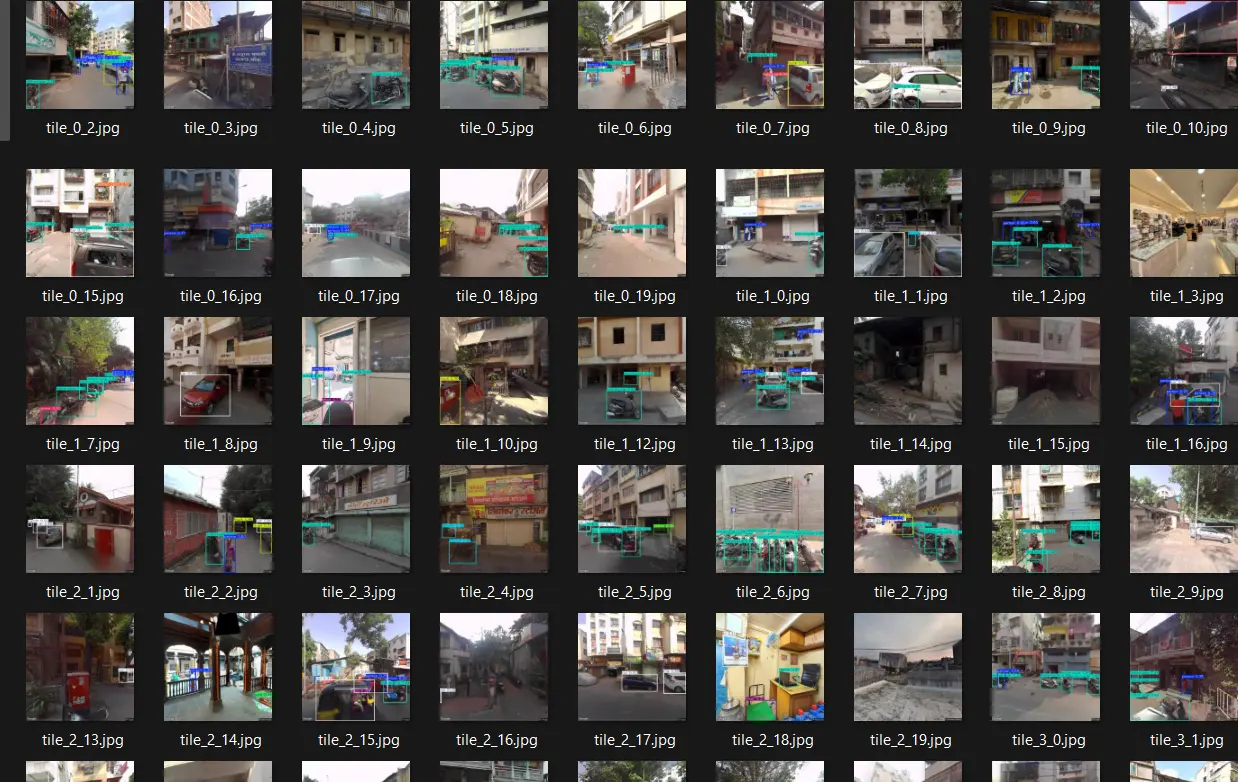
Our computer vision pipeline — built on OpenCV and custom-trained models — classifies the issue, confirms its severity, and groups it with related reports from across the city. Noise becomes signal.
When a threshold of reports is crossed, anonymised, aggregated intelligence is delivered directly to the relevant civic body — BMC, PMC — with location clusters, severity scores, and photographic evidence.
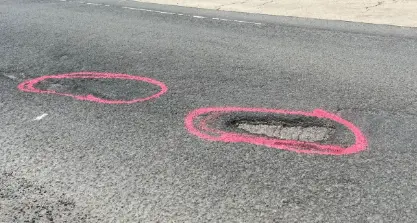
Powered by OpenCV and deep neural networks trained on Indian urban environments. Because potholes in Pune look different from potholes in London.
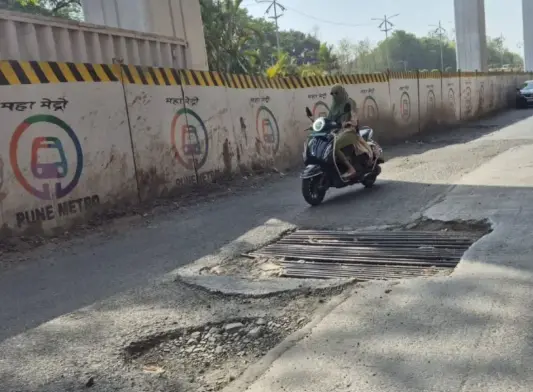
Photo-based depth estimation and surface analysis flags road damage before it becomes an accident. Severity classified as Minor, Serious, or Critical.
Detects unauthorised waste accumulation in public spaces. Recurring hotspots are flagged automatically to solid waste management departments.
Identifies open manholes, overflowing drains, and pipeline leakages. Automated alerts prevent contamination crises before they spread.
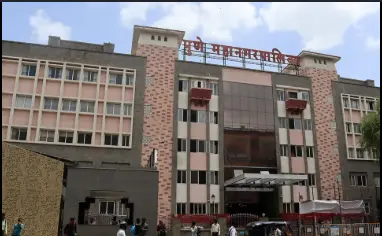
Bent railings, cracked walls, collapsed barriers, and shattered street furniture are catalogued and routed to the responsible municipal body.
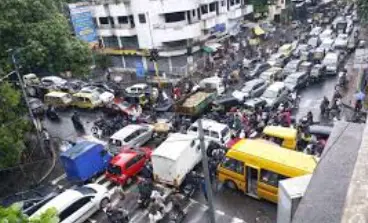
Citizen-submitted footage analysed for signal jumping, wrong-way driving, and illegal parking. Evidence packaged for traffic authorities — not for surveillance.
Pattern analysis identifies high-littering zones and recurring offenders (anonymised) to help deploy targeted awareness and enforcement campaigns.
Across thousands of reports, AI identifies systemic failure zones — not just isolated issues — and predicts where the next breakdown will occur before it does.
Individual reports are meaningless. Thousands of them are a mandate. We aggregate citizen voices anonymously until the data is undeniable — then we hand it to those who can fix it.
Every report travels through a multi-stage pipeline that strips personal information before it ever touches our servers. We don't know who you are. We never want to.
What reaches the government is structured, scored intelligence — not a raw complaint. We translate public frustration into institutional language that cannot be ignored.
Basis was built on a single non-negotiable principle: your participation should cost you nothing — not your name, not your number, not your address, not your data. We have no interest in who you are. We are only interested in what you saw.
Every complaint you submit is stripped of all personal identifiers the moment it leaves your device. What arrives at our servers is a problem — a location, a category, a photograph of broken infrastructure — not a person. That is how it should be, and that is how it will always be.
We built this for you. Not to profile you, not to monetise you — but because someone has to turn the everyday frustrations of millions of Indians into institutional change. That is our only purpose.
We do not ask for — and will never ask for — any personal identifier. Anonymous participation is not a feature. It is the foundation.
We are not an advertising business. We are not a data broker. Your complaints exist solely to compel better governance — that is their only destination.
What you give us — 15 seconds and a photograph — we convert into structured, government-grade intelligence that forces measurable action in the real world.
We exist because broken cities hurt real people. Every design decision at Basis is made with one question: does this serve the person on the street, or does it serve us?
We start focused. Two cities. Every ward. Zero tolerance for broken infrastructure.
Home to 20 million Mumbaikars navigating monsoon-battered roads, overflowing drains, and infrastructure that struggles to keep pace with the city's ambition. Basis is active across all 24 wards of the BMC.
A rapidly expanding tech and education hub facing growing pains — traffic congestion, expanding civic limits, and infrastructure planning that hasn't caught up with population growth. Basis serves all 15 PMC zones.

Computer vision backbone for image classification

Trained on Indian road and urban conditions

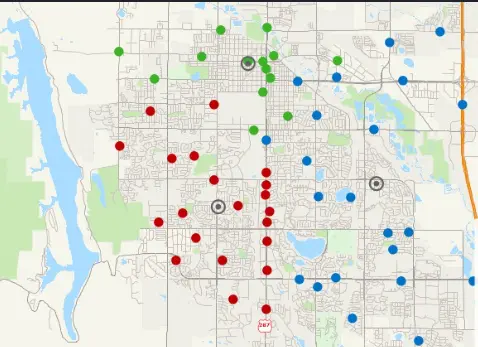
Spatial grouping of related reports by zone

On-device PII stripping before transmission
We are already collecting citizen intelligence from across India. Our physical autonomous rover programme — the ground-level verification layer — launches first in Mumbai and Pune, then expands nationally.
Citizen reports are being received from across India right now. Every city, every state. The intelligence platform is live and processing — no geography is excluded from the data layer.
Our autonomous ground rovers — equipped with multi-sensor arrays, high-resolution cameras, and real-time CV processing — begin physical patrols in Mumbai and Pune. Ground truth verification at city scale.
All major Indian cities come online with physical rover coverage. Delhi, Bengaluru, Chennai, Hyderabad, Kolkata — every major urban centre gets the full Basis ground-intelligence layer within one year of launch.
Takes 15 seconds. Completely anonymous. Could fix a road.
Tap to add a photo
JPG, PNG, or HEIC — max 10MB
A single report gets filed and forgotten. A hundred reports from the same junction become a case that forces a response. Basis exists to turn isolated frustration into collective, verified, government-grade evidence.
We don't send you angry letters. We don't run campaigns. We build data sets that civic authorities cannot dismiss.
Photo + location + category. That's all we need. No account, no name, no phone number.
Computer vision confirms the issue is real, classifies its type, and assigns a severity score.
Your report joins others from the same area. When the threshold is crossed, the cluster becomes a brief.
BMC or PMC receives structured data — location, severity, photographic evidence, frequency — with a resolution deadline tracked publicly.
Create a free account and every report or verified disposal now earns real, spendable city credits — tracked live in your own Basis wallet.
Live nowSpend credits in the Basis marketplace on eco-friendly goods listed directly by local shops — no cash needed, just the credits you've already earned.
Live nowLocal businesses can register as Basis partners, list products, and issue their own discount vouchers — reaching citizens who are already earning credits nearby.
Live nowWe're not a petition platform. We're not a grievance forum. We are a technology infrastructure company that uses AI, computer vision, and the collective voice of citizens to make Indian cities systematically, measurably better — one report at a time.